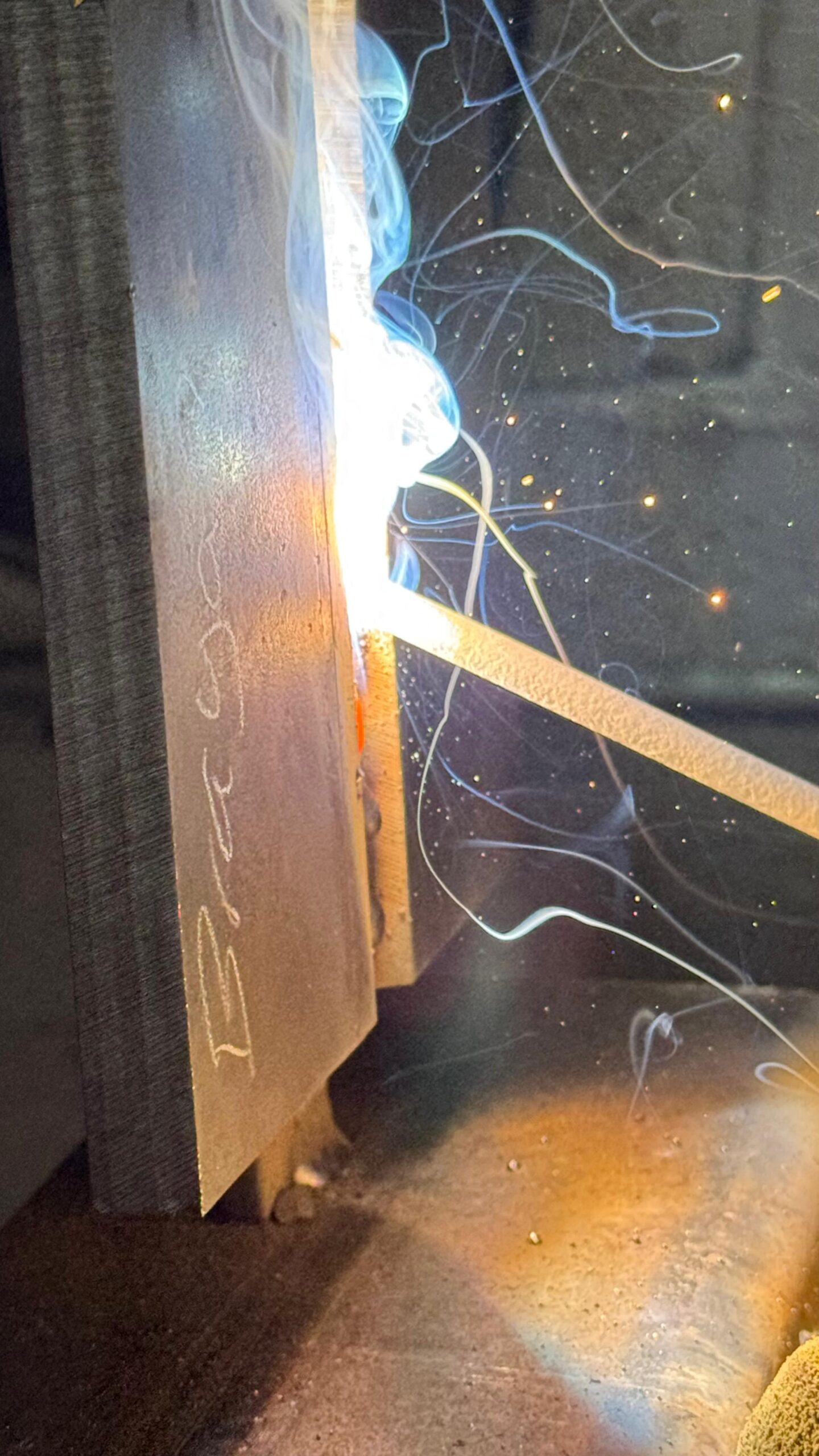
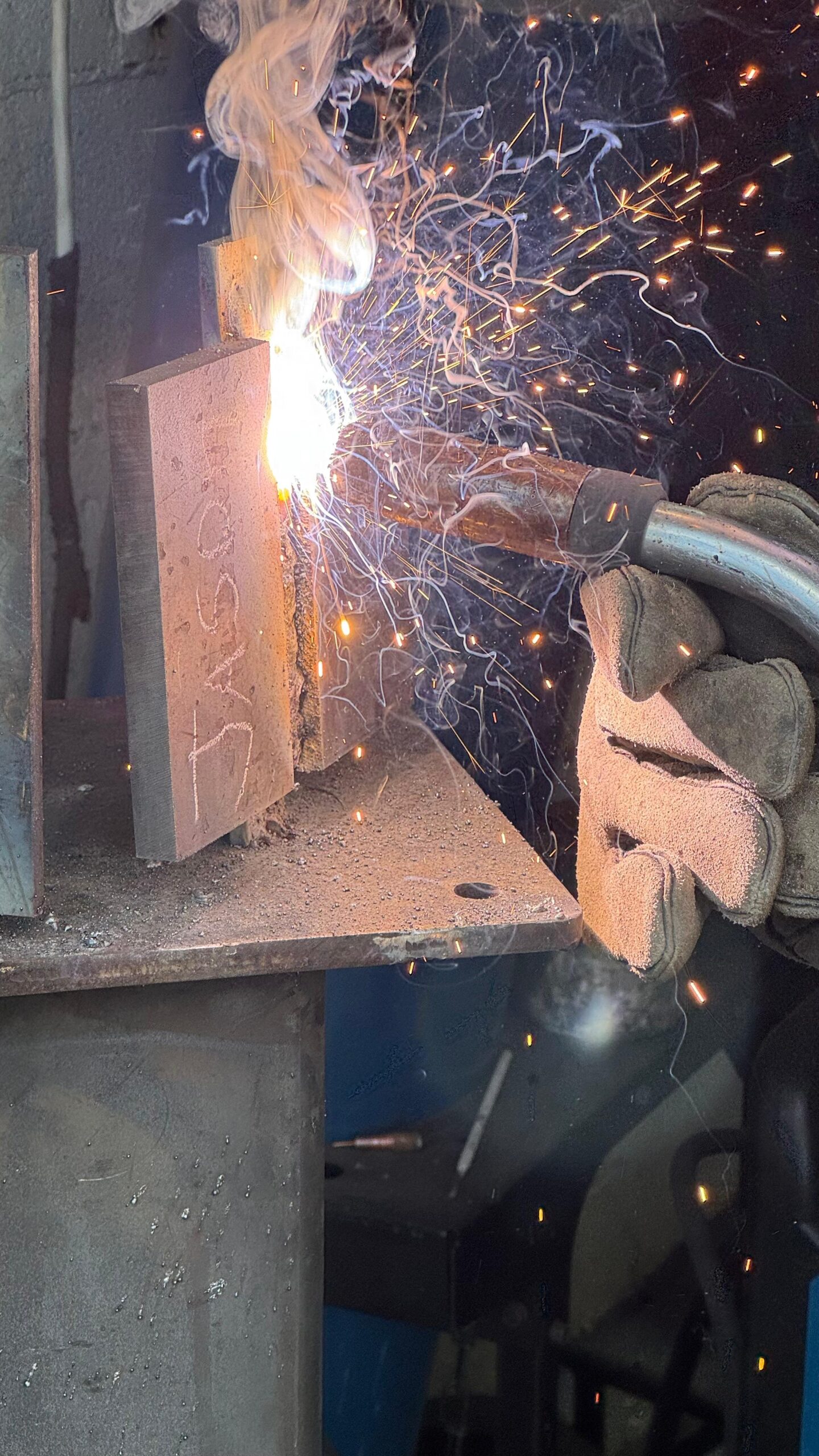
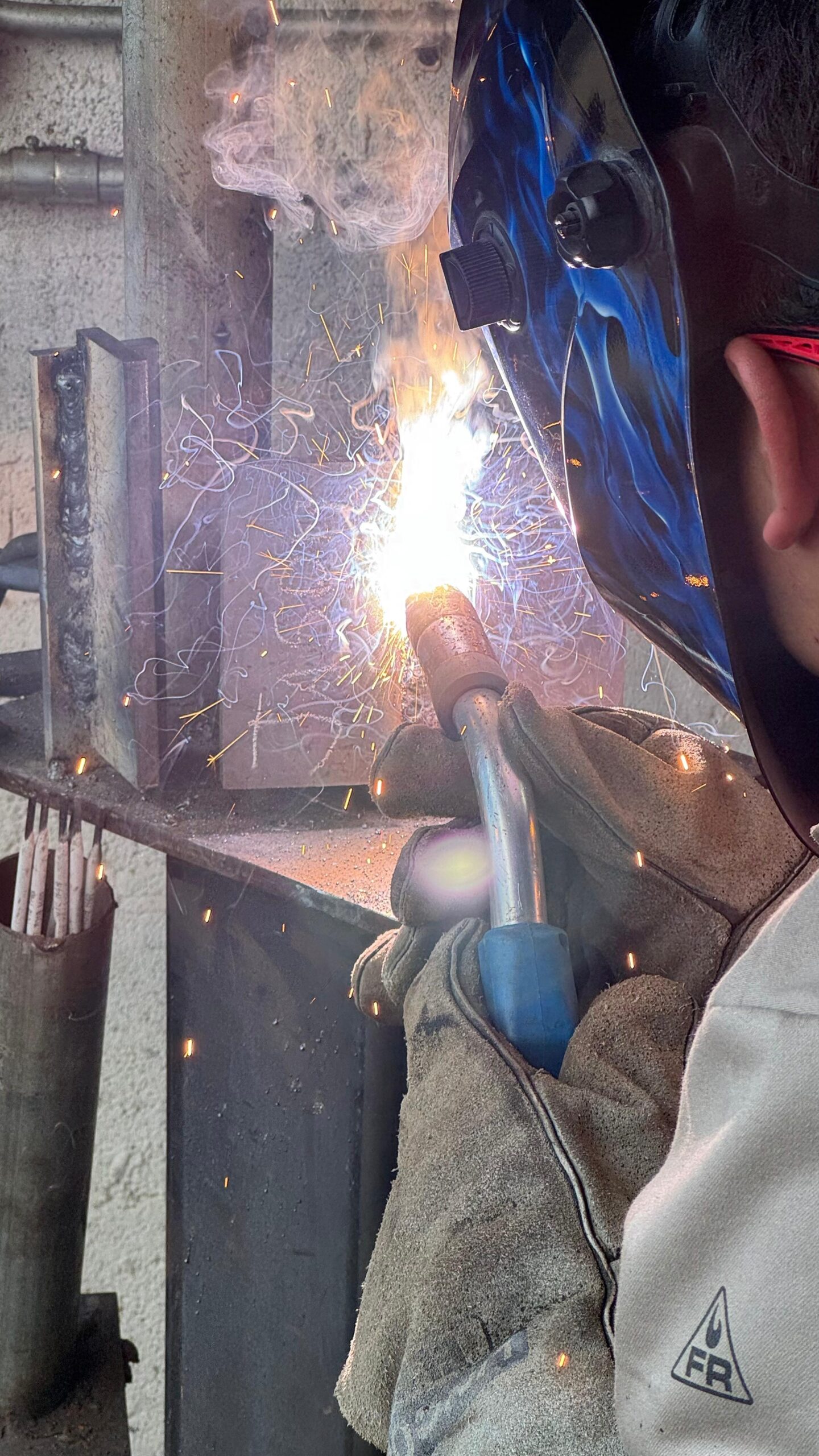
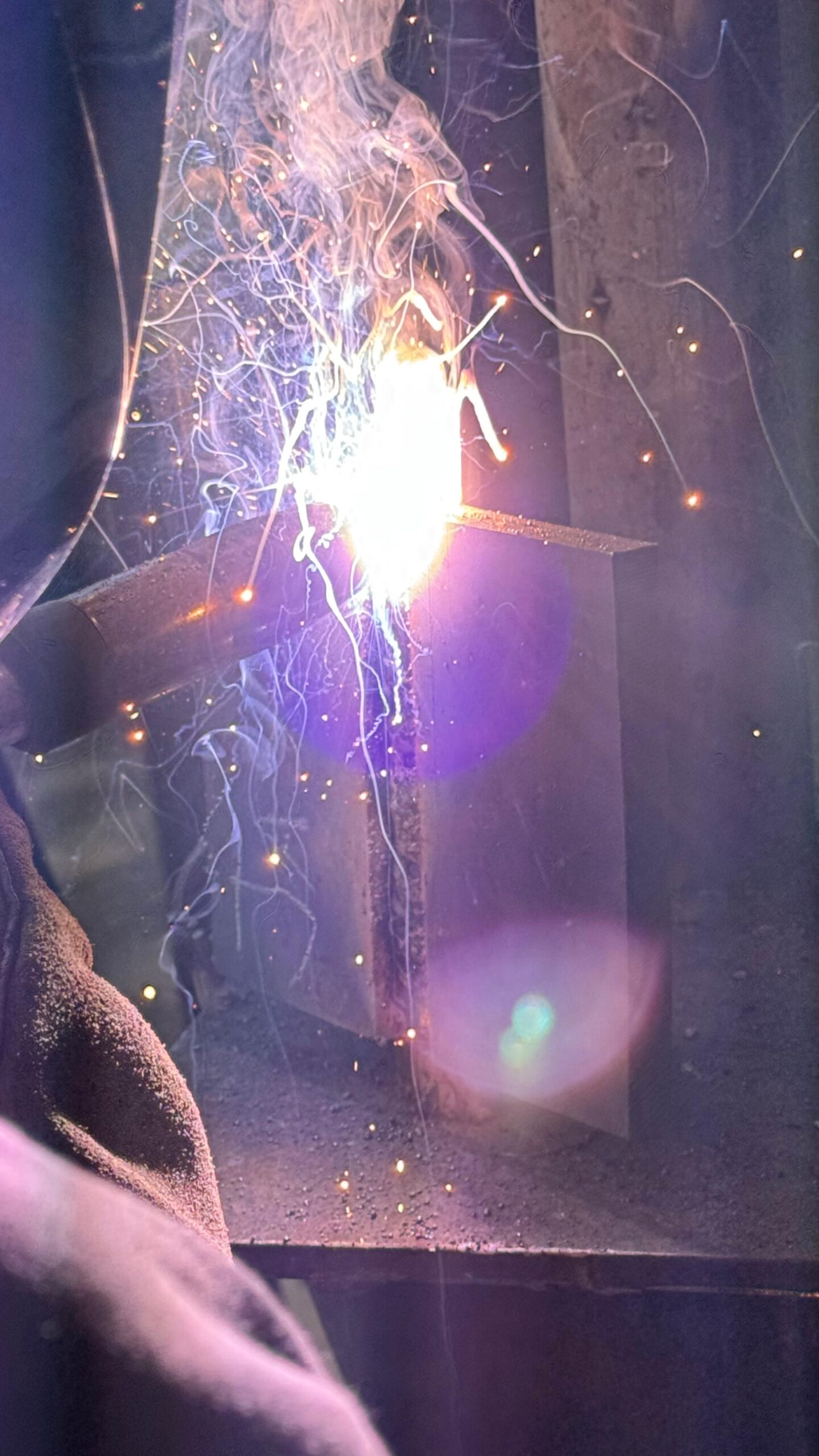
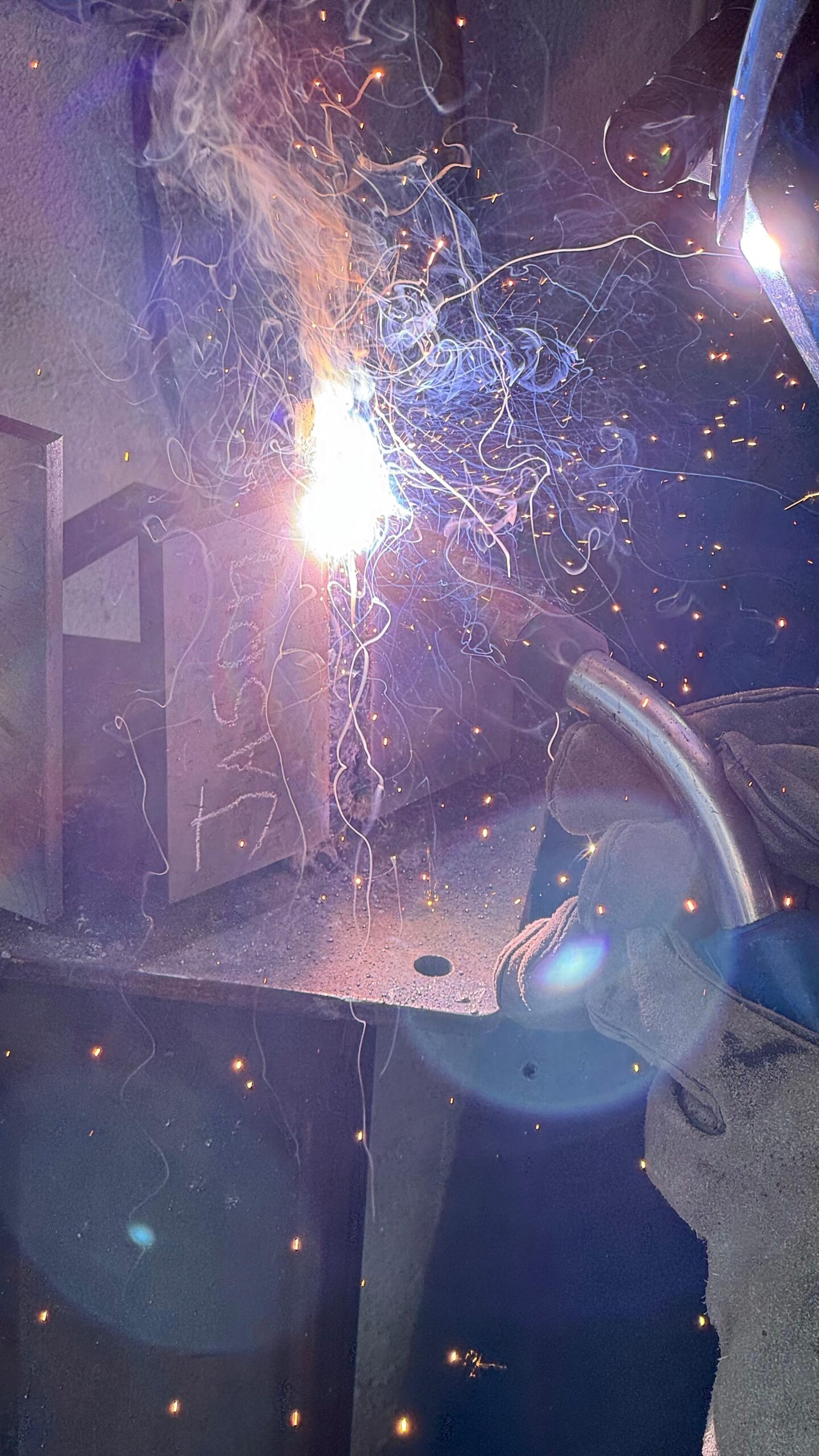
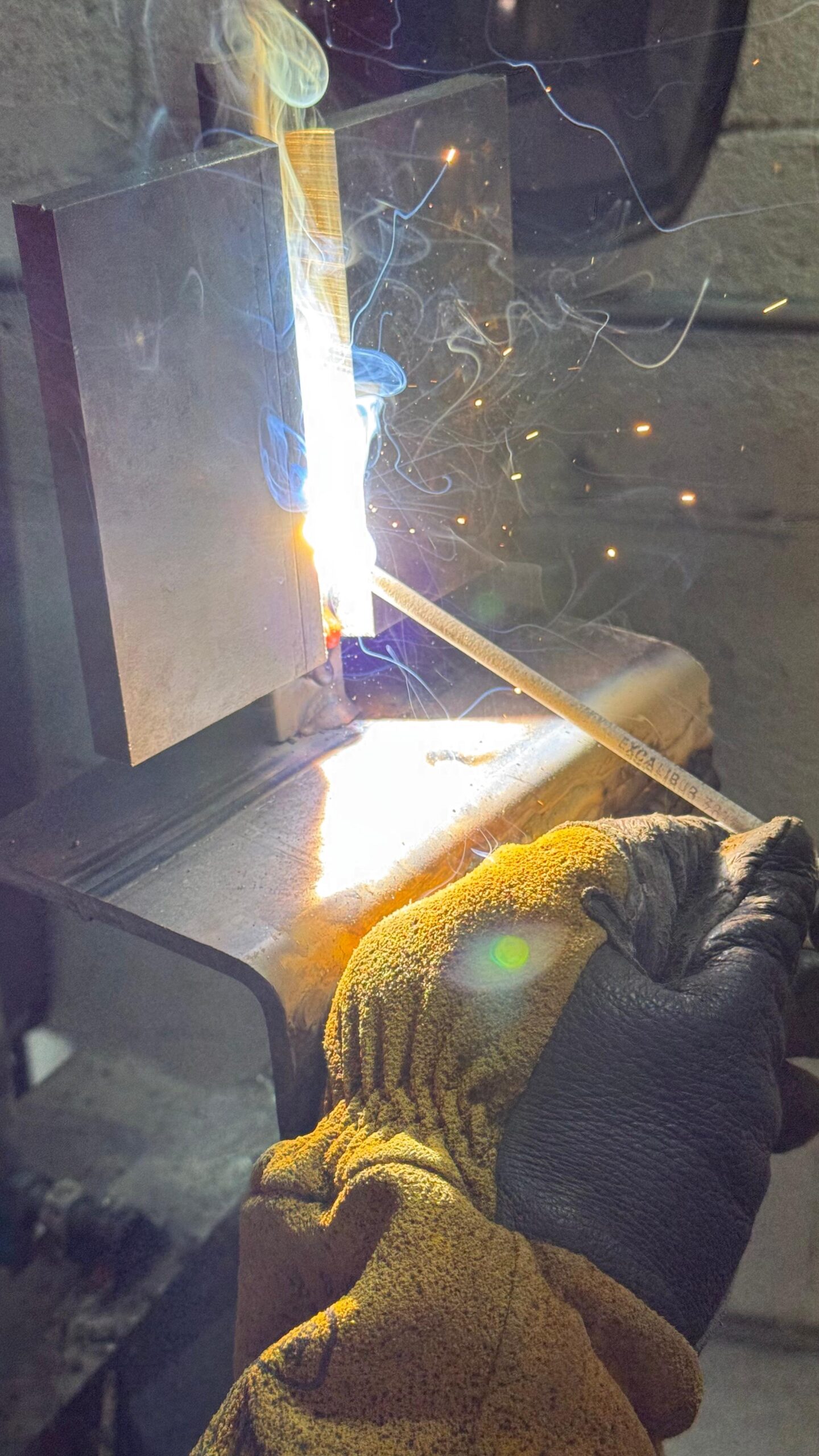
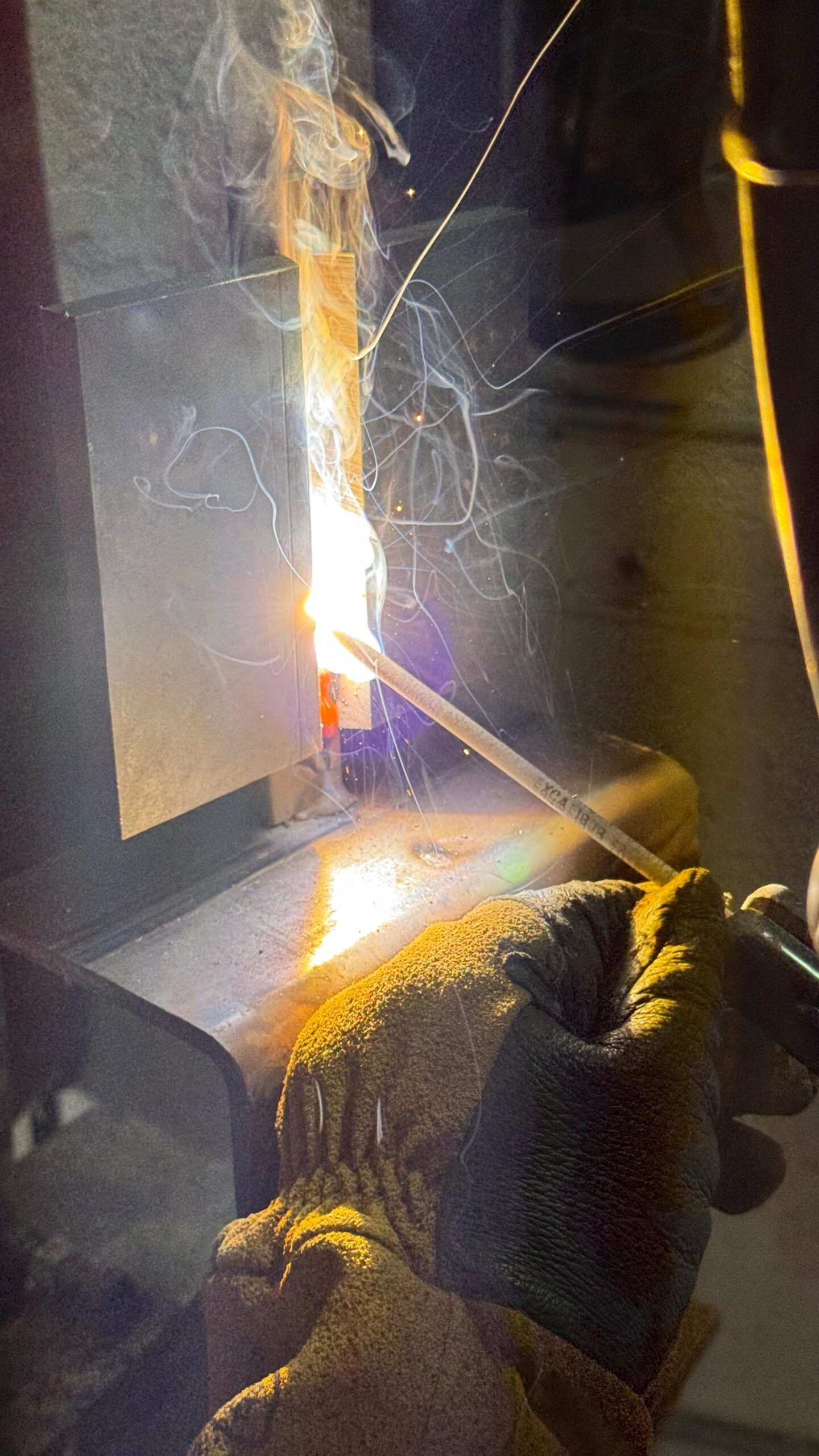
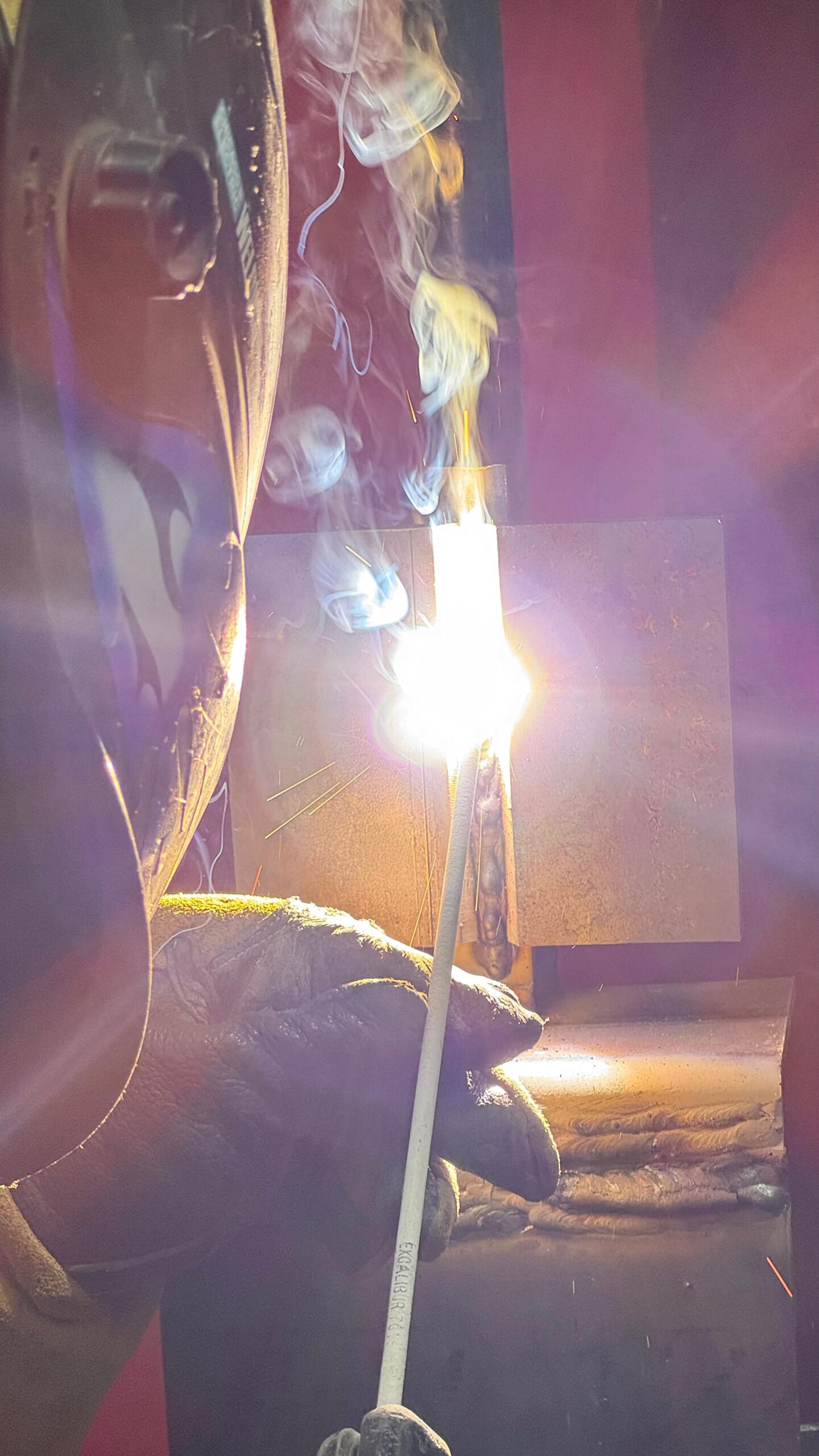
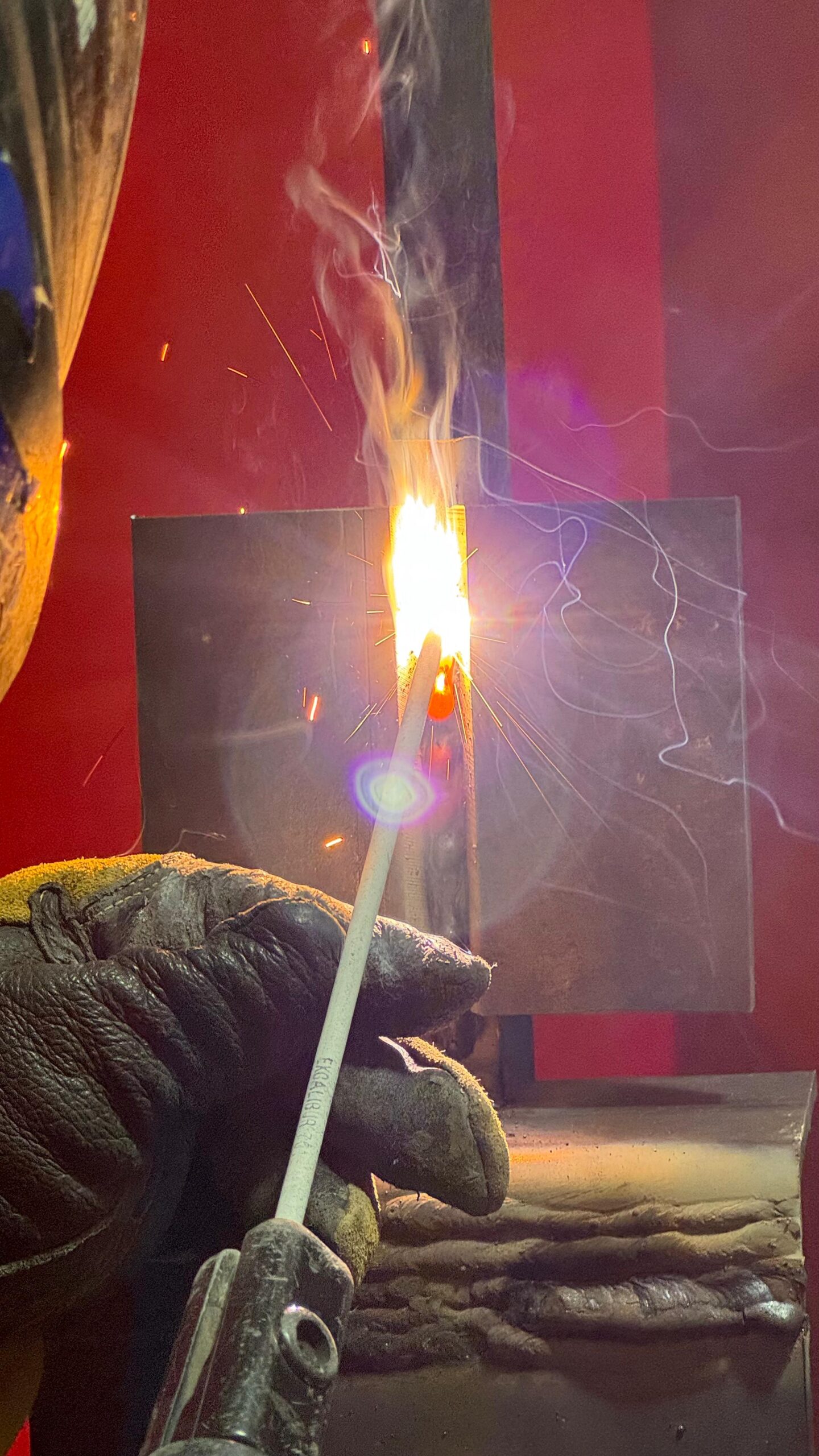
Welder certification verifies that a welder can consistently produce welds that meet specific code, procedure, and project requirements. Certification tests are conducted according to standards such as AWS, ASME, or API, and they demonstrate a welder’s skill in a particular welding process, position, and material type.
The certification process includes joint preparation, welding under controlled conditions, visual inspection, and mechanical or nondestructive testing of the completed weld. A successful test results in a Welder Performance Qualification (WPQ), confirming the welder’s ability to perform that type of weld safely and reliably.Certification helps employers ensure compliance, maintain safety programs, and meet project specifications. It also benefits welders by improving job opportunities, increasing earning potential, and demonstrating competency in their craft.
Most certifications remain valid as long as the welder can prove they have actively used that specific process without a 6-month lapse. The 6-month rule does have its exceptions though; you should always reference the specific code you tested under.