Code-Compliant Inspection for Structural Steel & Load-Bearing Welds
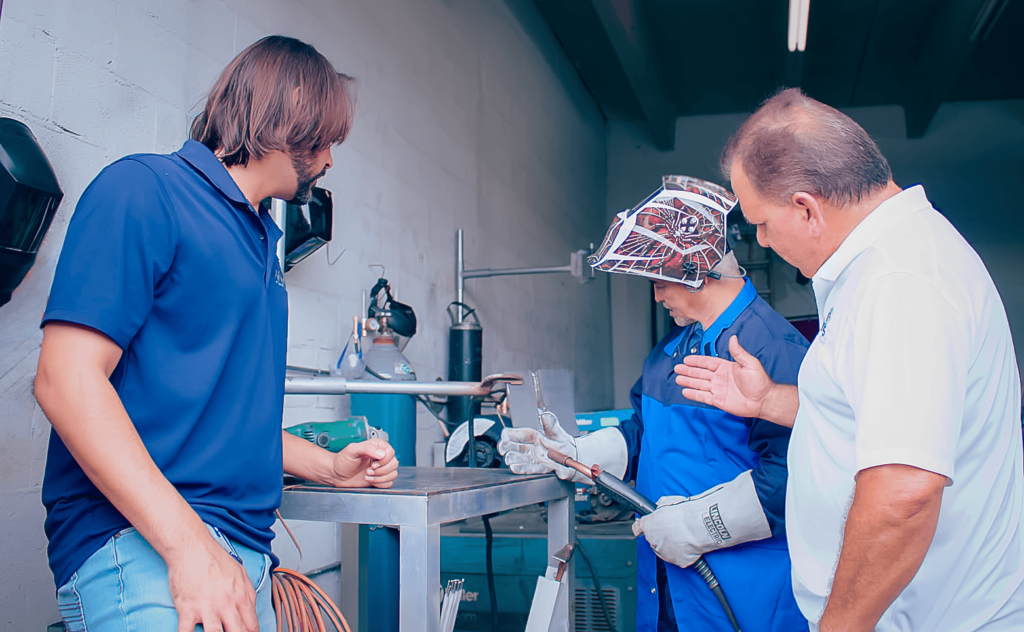
Structural welding inspection ensures that beams, columns, braces, moment connections, and load-bearing assemblies are fabricated and installed according to project specifications and governing industry codes.
These inspections protect the structural integrity of:
Proper structural inspection reduces liability, prevents failures, and ensures welds meet required strength and safety standards before a structure is placed into service.

Most structural welding inspection is performed under:
These codes define:
Structural welding inspection ensures full compliance before final acceptance.
Structural weld inspection begins before welding starts and continues through final acceptance.
Inspectors verify:
Multi-pass welds are monitored to ensure proper interpass cleaning and technique consistency.
Because structural welds carry load, small defects can become major liabilities if left undetected.
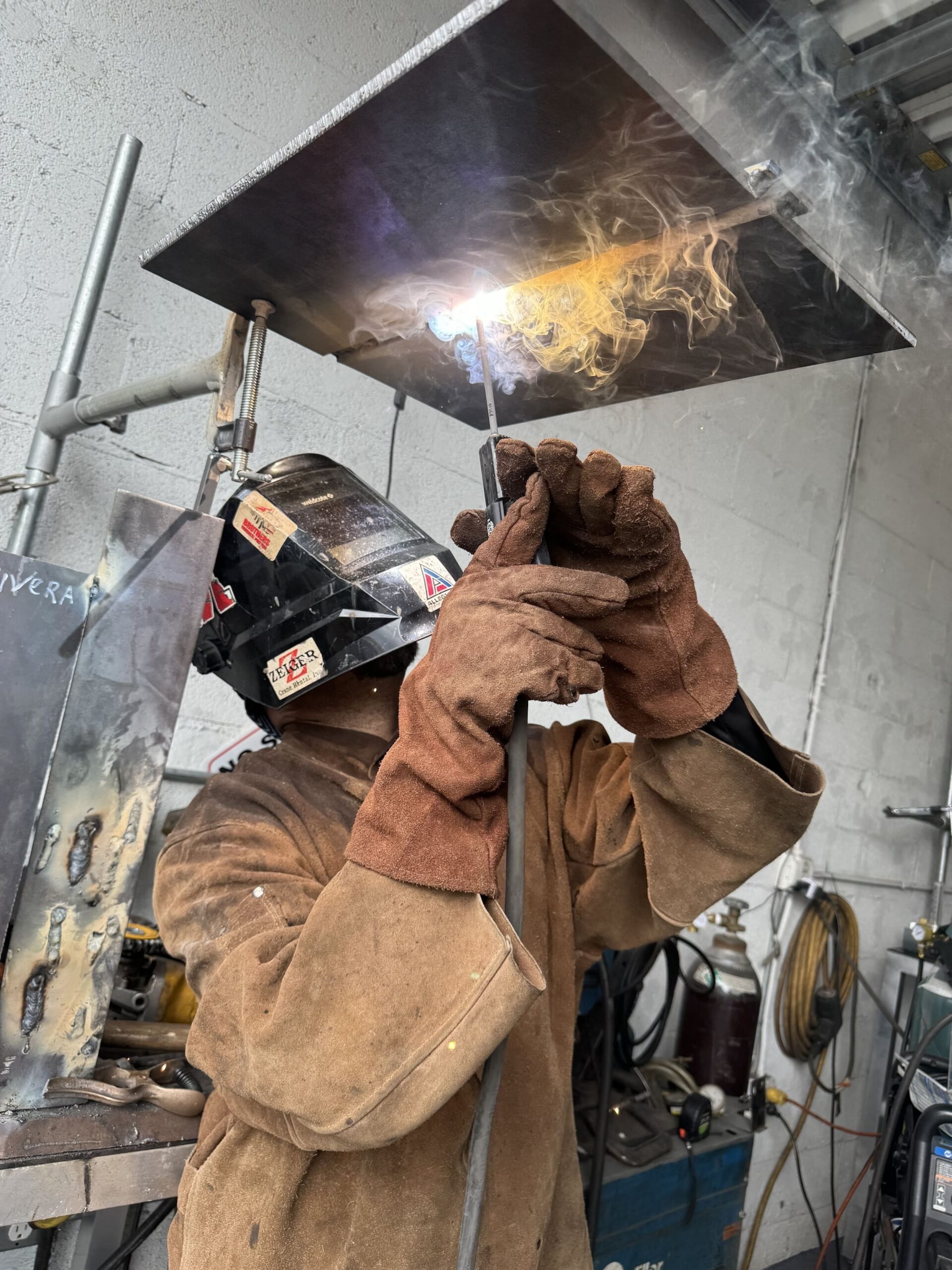

Structural welding inspection commonly includes:
Visual inspection is performed:
VT identifies undercut, porosity, cracks, incomplete fusion, and surface discontinuities early.
Learn more about
Visual Welding Inspection (VT)
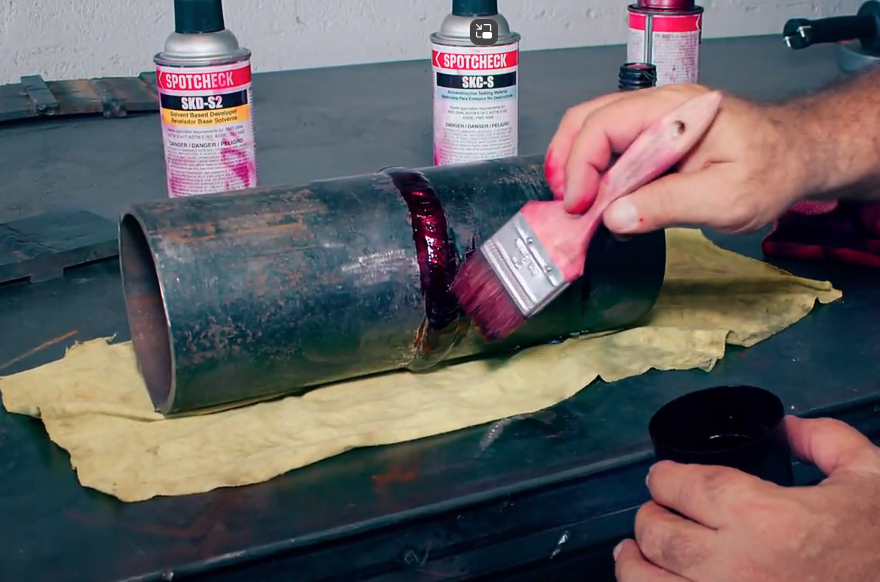
Magnetic Particle Testing is used on ferromagnetic materials such as carbon steel structural components.
MT detects:
See
Magnetic Particle Testing for Welds (MT)
Ultrasonic Testing is used for:
UT detects internal defects such as:
Learn more about
Ultrasonic Weld Inspection (UT)
Structural welds transfer load across a building’s framework. If weld quality is compromised:
Professional inspection provides:
In hurricane-prone and high-wind regions, structural weld integrity becomes even more critical.
Structural welding inspection may occur:
Inspectors coordinate directly with contractors, engineers, and project managers to ensure smooth integration into the construction schedule.
For broader inspection coverage, see
Welding Inspection Services
Structural inspection is typically required for:
Many projects require independent or third-party inspection for compliance and liability protection.
Yes. AWS D1.1 requires visual inspection and, in many cases, supplemental NDT for critical welds.
Inspection should occur before welding, during fabrication, and after completion to ensure full compliance.
Yes. Most structural inspection integrates directly into ongoing construction schedules.
No. Visual inspection is mandatory. UT supplements it for internal evaluation.
Whether you’re fabricating steel in a shop or erecting structural components on site, proper inspection protects safety, compliance, and project timelines.