
4G welder certification tests your ability to perform overhead groove welding, one of the most challenging positions in welding. The “4G” designation follows the American Welding Society (AWS) standardized classification system, where positions are numbered 1G through 6G based on their difficulty and application. A 4G certification validates that you can weld in an overhead position—meaning your head is literally below the weld, fighting gravity as the molten metal tries to fall.
Passing a 4G test often qualifies welders for both flat and overhead positions, making it a valuable credential for career advancement. However, the difficulty is real. Gravity works directly against the weld pool, requiring exceptional skill, control, and practice to maintain quality and consistency.
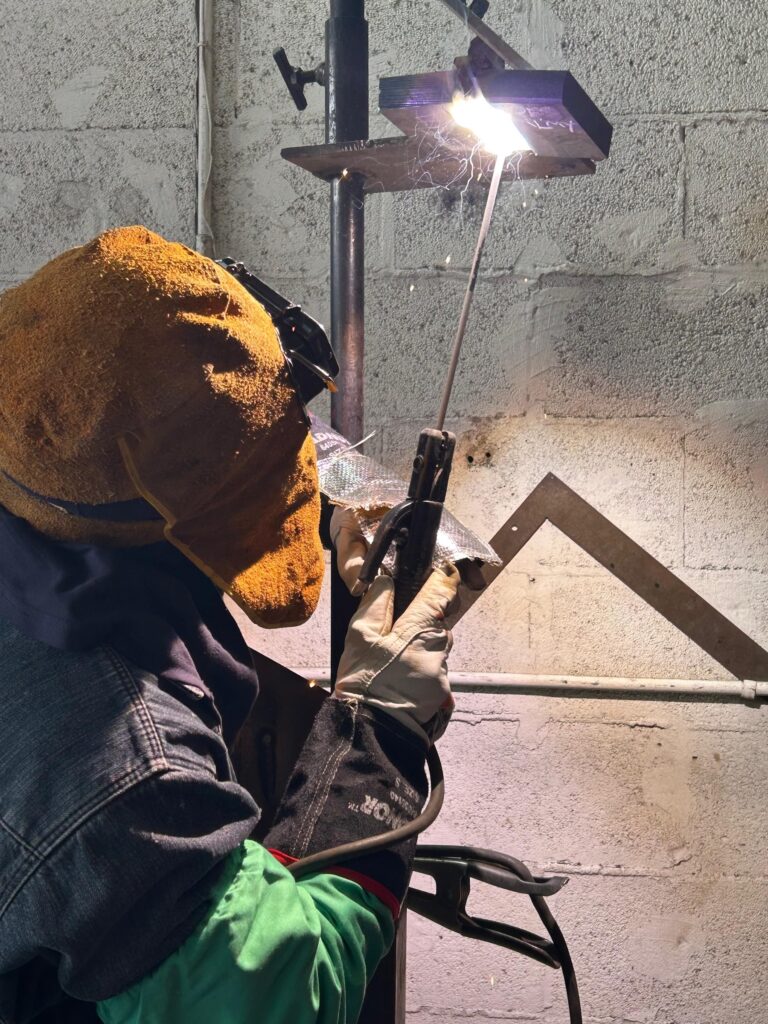
When you take a 4G certification test, you’re being evaluated on far more than just “putting metal on metal.” Inspectors are looking for:
The test itself typically involves welding a thick steel plate (usually 1/2″ or 3/4″ thick) in the overhead position. Your work will be visually inspected and likely sectioned and x-rayed to check for internal defects. This is why 4G is considered one of the more challenging plate tests—you’re being held to extremely high standards.
If you’re new to certification testing, understanding how 4G fits into the bigger picture helps. The AWS certification system includes:
Each position requires mastery of different techniques. Many welders start with 1G and progress to 3G before attempting 4G. The progression builds the foundational skills needed for more complex positions.
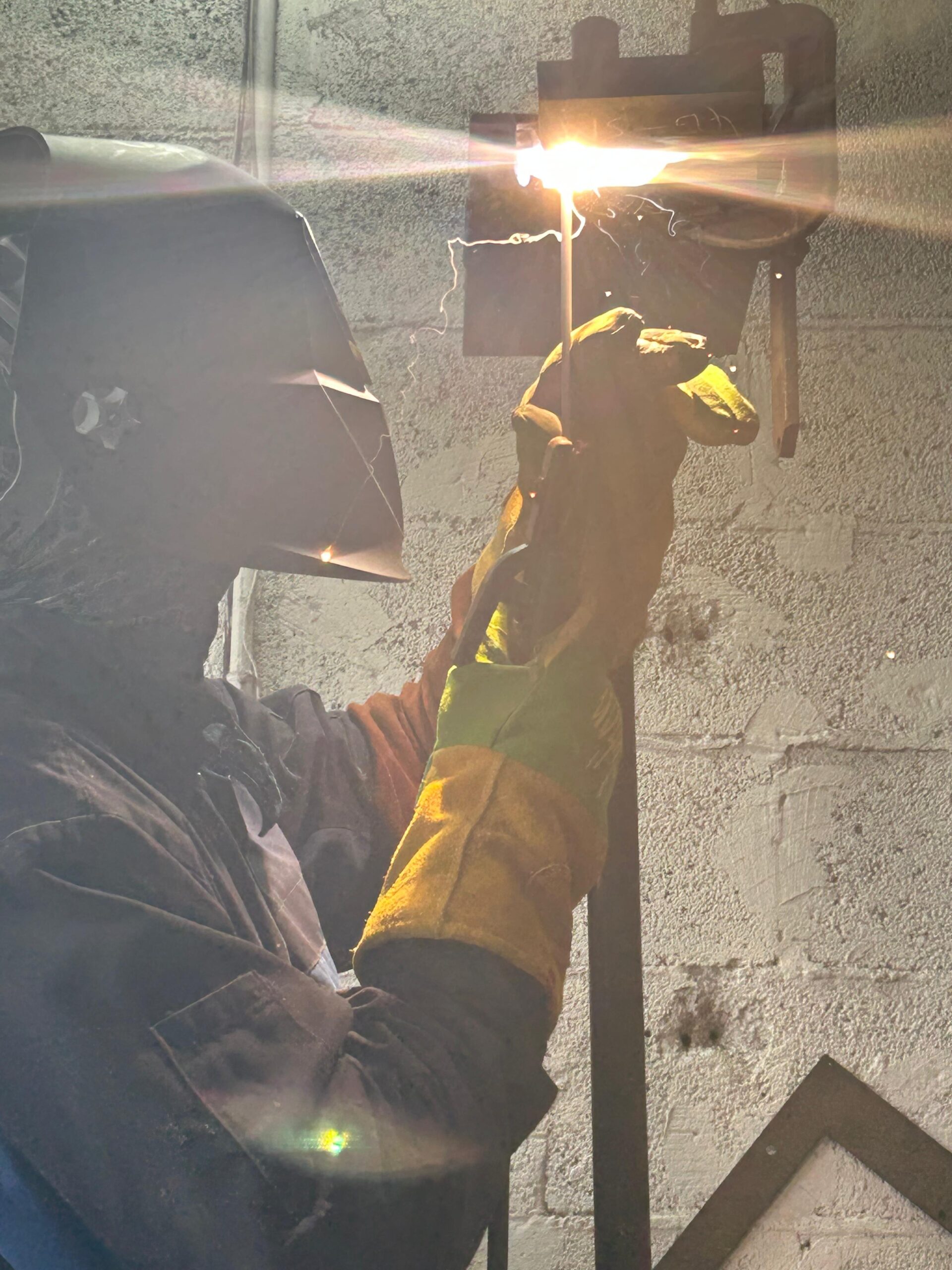
Passing 4G certification requires focused, intentional practice. Here are the key steps:
Hands-On Practice with Proper Technique Practice overhead welding regularly before your test. The overhead position is unforgiving—you need muscle memory and confidence. Work with an experienced mentor or instructor who can provide feedback on your technique, arc length, and travel speed.
Understand the Test Requirements Know exactly what the testing organization expects. If you’re pursuing AWS welder certification, familiarize yourself with AWS D1.1 code requirements. Different codes and organizations have slightly different standards, so clarity upfront prevents disappointment.
Control Your Variables In overhead welding, every variable matters: amperage, voltage, travel speed, and shielding gas mixture. Small adjustments can mean the difference between a pass and a failure. Practice with the same equipment you’ll use during the actual test whenever possible.
Address Physical Demands Overhead welding is physically taxing. Your arms will fatigue, your neck will strain, and your back may ache. Build stamina through practice and consider conditioning exercises that strengthen the muscles you’ll use.
Learn from Failures If you don’t pass on your first attempt, request detailed feedback on what failed. Were there cracks? Porosity? Poor fusion? Understanding the specific defects helps you target your practice more effectively.
For more detailed preparation strategies, see our complete guide on how to pass your welder certification exam.
What Does 4G Certification Cost? Certification costs vary depending on whether you’re testing at a private test center or through an employer-sponsored program. Typical costs range from $300–$600 for the test itself, plus materials and equipment access. Some test centers charge additional fees for retesting or expedited results.
How Long Does It Take? The actual test typically takes 30–45 minutes of hands-on welding time, but the full appointment may take 2–3 hours including paperwork and setup. However, preparing for the test is the real time investment. Most welders spend weeks or months perfecting their overhead welding skills before they’re ready to test.
Earning your 4G certification opens doors:
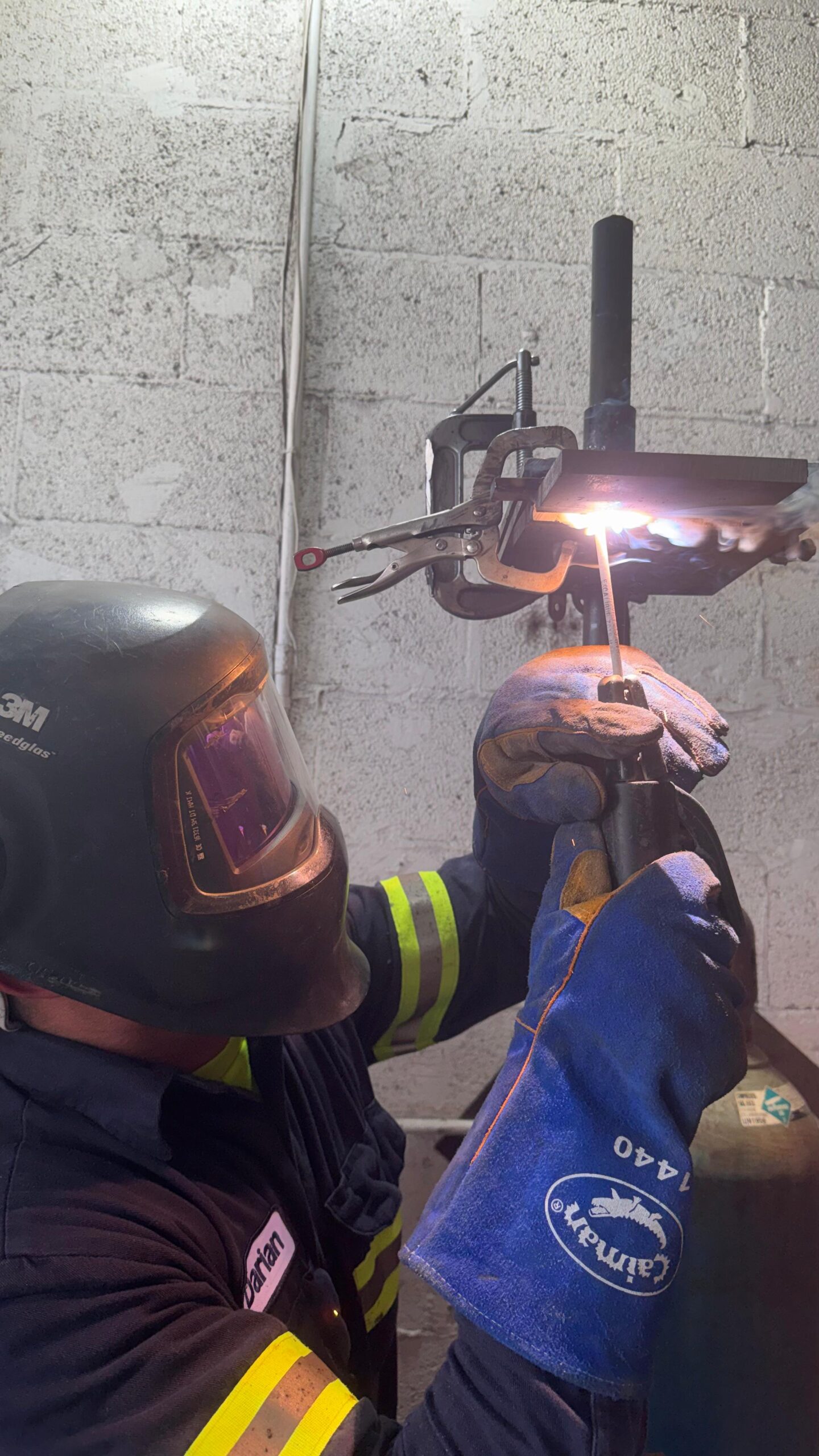
If you’re considering 4G certification or want to learn more about your options, we’re here to help. We offer welder certification testing and training at our South Florida test center, with flexible scheduling and expert guidance.
Take the Next Step:
Interested in Related Certifications? Once you master 4G, consider advancing to 6G pipe welder certification for even broader career opportunities.

