
West Palm Beach’s rapid commercial development, active waterfront infrastructure, and growing industrial corridor all depend on structurally sound, code-compliant welding. Professional welding inspection ensures every weld meets performance requirements, withstands Florida’s coastal service conditions, and aligns with AWS, ASME, API, or project-specific standards. Whether you’re working on structural steel, pressure piping, marine fabrication, or general metalwork, West Palm Beach welding inspection services help keep your projects on schedule and built to last.
Certified inspectors provide detailed evaluations using industry-standard nondestructive testing (NDT) methods. These techniques confirm weld integrity without altering or damaging the components being inspected.
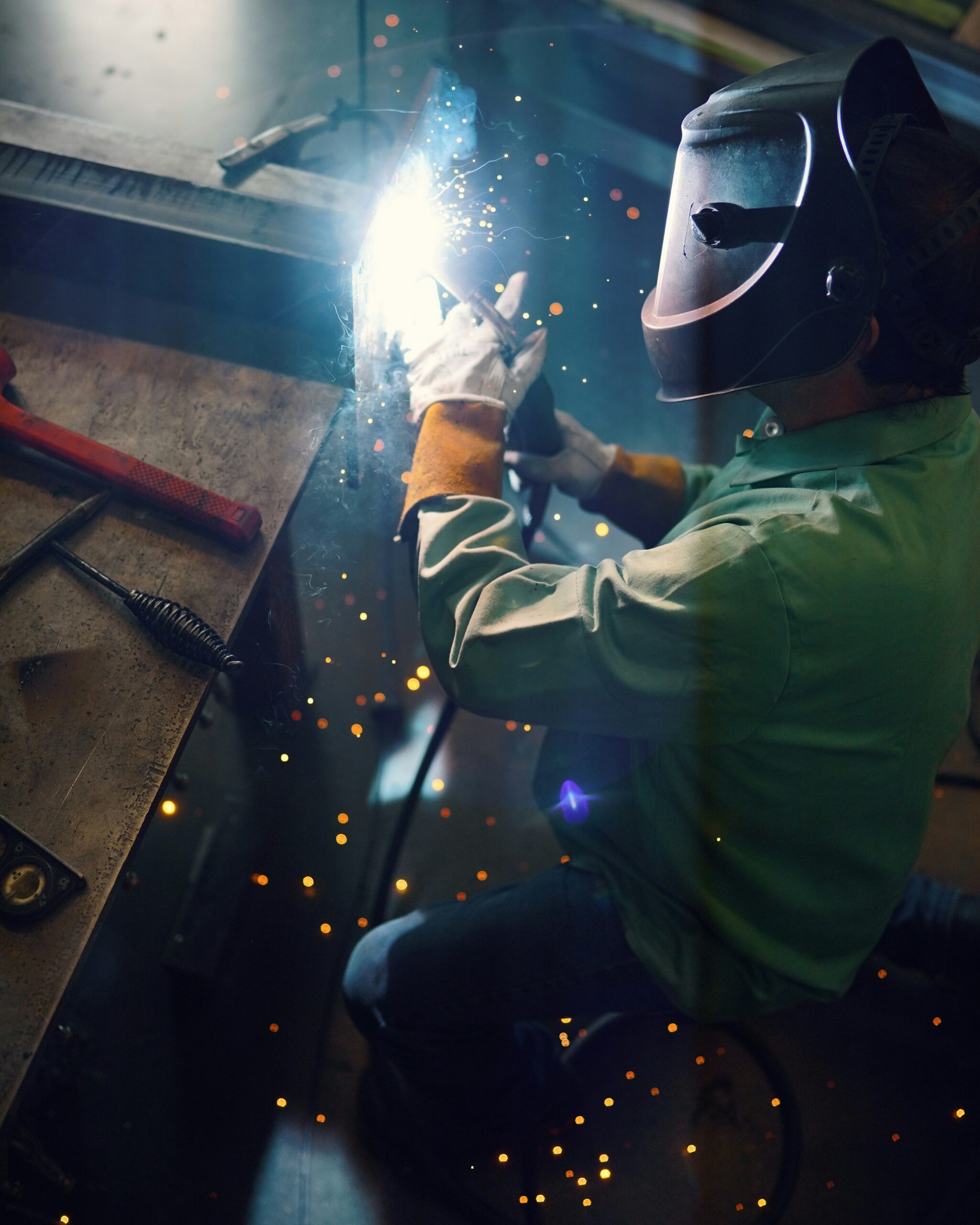
Visual Testing is the first step in verifying weld quality and is performed before, during, and after welding operations.
Direct Visual Testing (DVT): Inspectors examine the weld surface, fit-up, bead formation, and joint condition using proper lighting and visual tools. DVT is key to catching early defects such as porosity, undercut, misalignment, and incomplete fusion.
Remote Visual Testing (RVT): When welds are located in elevated, enclosed, or hard-to-access areas, inspectors use borescopes, cameras, or drone systems to capture detailed visual data. RVT is especially useful for West Palm Beach’s high-rise developments, waterfront structures, and marine environments.
MT is used for detecting surface and slightly subsurface discontinuities in ferromagnetic materials like carbon steel. Typical applications in the West Palm Beach area include:
By applying a magnetic field and specialized iron particles, inspectors can quickly identify cracks, laps, seams, and other weld-related issues.
Penetrant Testing reveals surface-breaking flaws on both ferrous and non-ferrous materials. PT is ideal for components made from stainless steel, aluminum, and other alloys frequently used across West Palm Beach’s marine, architectural, and precision fabrication sectors.
PT is highly effective in detecting:
Ultrasonic Testing evaluates internal weld quality using high-frequency sound waves. Inspectors use various probe angles to fully examine the weld and heat-affected zone, identifying internal defects that cannot be seen visually.
UT is widely used in West Palm Beach for:
Results are recorded and evaluated according to governing codes and project specifications.
West Palm Beach’s environment presents constant challenges: salt air, high humidity, hurricane-load requirements, and intense UV exposure. Professional inspection ensures welds are engineered to perform under these demanding real-world conditions.
Projects in West Palm Beach often require alignment with AWS D1.1, ASME Section V, Section IX, or API standards. Certified inspectors help ensure full compliance, reducing contractor liability and meeting Florida Building Code requirements.
Early detection of weld defects prevents costly rework, shortens delays, and keeps production on schedule — critical in a high-growth market like Palm Beach County.
Inspection reports provide traceability, support QA programs, and help satisfy permitting, engineering, and insurance requirements.
High-quality, properly inspected welds mean safer structures, reduced maintenance costs, and stronger long-term outcomes for owners and contractors alike.
Not always, but it depends on the application. Structural connections, pressure-bearing components, and any welds subject to code requirements or engineering review typically require documented inspection regardless of project size. For smaller jobs, a visual inspection alone may be sufficient . a certified inspector can advise on the appropriate level of testing based on your specific materials, service conditions, and applicable standards.

